Empowering autonomous, sustainable, and connected infrastructure through AI-driven digital twins, TM Forum standards, and cross-industry collaboration for future networks.
Project companies
InfraVerse 2.0: AI-Driven Network Resilience in Times of Crisis – Phase II addresses one of the most critical challenges facing global telecommunications today: how to rapidly assess, restore, and optimize network connectivity in the face of large‑scale calamities such as natural disasters, armed conflict, and extreme environmental events. These scenarios frequently destroy physical infrastructure, invalidate pre‑existing network designs, and expose field teams to high operational risk—making traditional, manual recovery processes too slow, unsafe, and ineffective.
Building on the foundations of Phase I, InfraVerse 2.0 transitions from isolated automation to a fully autonomous, multi‑domain crisis response platform, delivering Autonomous Network (AN) Level 4 readiness. The catalyst demonstrates how telecom networks can sense, reason, decide, and act autonomously, even when operating conditions are chaotic and continuously changing.
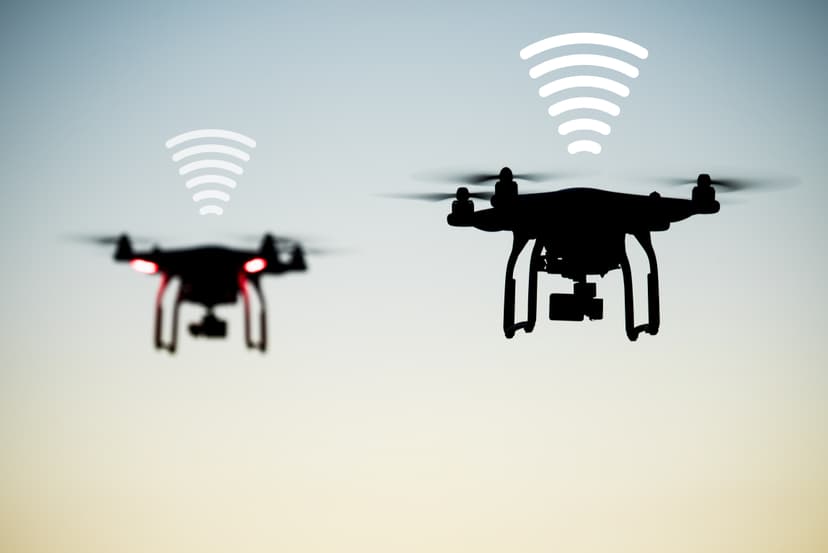
At its core, InfraVerse 2.0 combines autonomous drones, high‑fidelity BIM‑based digital twins, and Agentic AI to immediately capture the post‑calamity reality of affected sites. Drone‑based LiDAR and photogrammetry replace outdated maps with real‑time “as‑damaged” digital twins, allowing the network to understand collapsed structures, terrain shifts, and new obstructions without sending engineers into danger zones.
These BIM models are enriched through TM Forum Open APIs and standardized digital twin interoperability (TMF639, TMF674, TMF653), enabling precise correlation between physical damage, network inventory, spatial context, and service impact. An Agentic AI layer then autonomously analyzes failures, simulates remediation strategies, and determines optimal actions—such as safe placement of temporary cells (COWs), satellite‑to‑terrestrial rerouting, dynamic line‑of‑sight redesign, and EMF‑safe operational zones for responders.
InfraVerse 2.0 moves beyond visualization to decision and execution autonomy. Through immersive XR/AR environments, engineers, planners, and emergency authorities collaboratively validate AI‑recommended actions inside a shared digital twin of the disaster zone. Once approved, the network executes these actions remotely—minimizing field interventions, accelerating service restoration, and significantly improving responder safety. By shifting operators toward autonomous, digital-first infrastructure management, InfraVerse reduces deployment time by an estimated 30%, cuts OPEX by 25%, and lowers CO₂ emissions by 20%, while improving network resilience through satellite–terrestrial convergence
By transforming calamity response from reactive manual workflows into a self‑orchestrating, AI‑driven process, InfraVerse 2.0 proves how autonomous networks can restore critical connectivity faster, safer, and more sustainably. The catalyst positions telecom operators as resilient digital first responders—capable of maintaining communications lifelines when society needs them most—while setting a scalable blueprint for future autonomous operations across all network domains.